
Progressive Web Apps in Dubai: A Cheaper Alternative to a Native App?
For a lot of Dubai businesses considering their first mobile presence, the question isn't whether they need something app-like - it's whether they genuinely need a native app, with everything that involves, or whether a progressive web app can deliver most of the same value at a fraction of the cost and complexity. This is a fair question, and the honest answer is: it depends on what your business actually needs the app to do, not on which option sounds more impressive.
What a Progressive Web App Actually Is
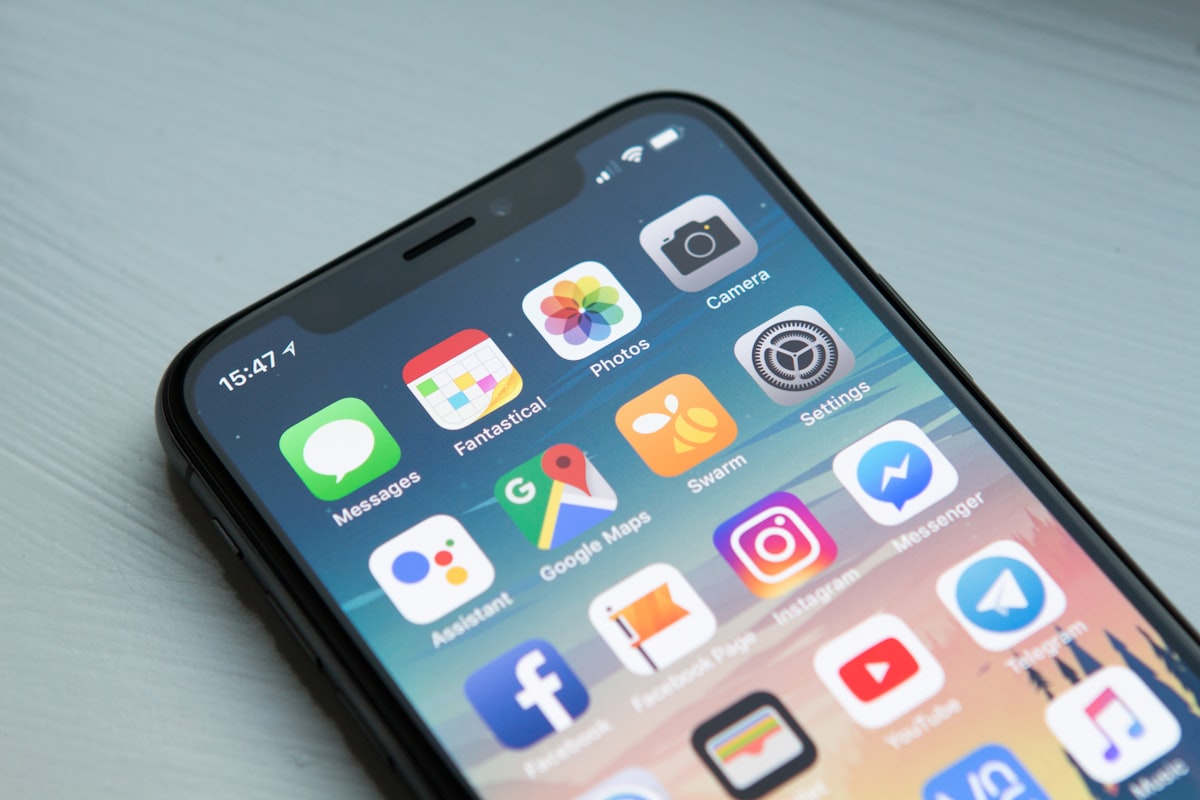
A progressive web app, usually shortened to PWA, is a website built to behave like an app. It can be added to a user's home screen with an icon, it can work offline or with a poor connection, it can send push notifications, and it loads instantly on repeat visits - all without requiring a download from the App Store or Google Play. Technically, it's still a website, built with the same web technologies as any other site, but engineered specifically to close the gap between "website" and "app" in how it feels to use.
What a Native App Offers That a PWA Genuinely Doesn't
Being honest about the real differences matters more than overselling either option. Native apps have full access to device hardware - deep camera integration, Bluetooth connectivity, advanced sensors, and background processing that continues even when the app isn't actively open. They also benefit from App Store and Google Play discoverability, which some businesses value for credibility and organic discovery, even though app store search is increasingly competitive. Certain complex, performance-intensive use cases - heavy gaming, advanced augmented reality, or apps requiring constant background location tracking - are still genuinely better suited to native development.
Where a PWA Is Often the Smarter Choice
For a large share of business use cases - a restaurant taking orders, a service business managing bookings, an e-commerce store, a loyalty program, a content or news platform - a PWA delivers essentially the same user experience as a native app for a meaningfully lower cost, because you're building and maintaining one codebase instead of separate iOS and Android applications. Updates deploy instantly without waiting for app store review and approval. There's no download friction - a user experiencing your PWA for the first time is already using it, rather than being asked to leave what they're doing, go to an app store, download, and return.
The Real Cost Comparison
A native app, built separately for iOS and Android, typically starts significantly higher in cost than a comparable PWA, since you're effectively building and maintaining two separate applications rather than one responsive web experience. Ongoing maintenance costs follow the same pattern - two codebases to update, test, and keep compatible with new OS versions, versus one. For businesses validating a new service or working with a constrained initial budget, this cost difference is often the deciding factor, and it's a completely legitimate business decision, not a compromise.
What UAE Businesses Are Actually Using PWAs For
In the UAE specifically, PWAs have become a common choice for e-commerce brands wanting an app-like shopping experience without native development costs, for restaurants and service businesses wanting quick, low-friction ordering or booking experiences, and for businesses testing a new digital product before committing to the larger investment of native development once demand is proven.
Can You Start With a PWA and Move to Native Later?
Yes, and this is a genuinely common and sensible path. A PWA lets you validate demand, gather real usage data, and understand what your users actually want from a mobile experience, before committing to the higher cost of native development. Some of the underlying work - API integrations, business logic, backend infrastructure - can often be reused when eventually building a native app, meaning the PWA investment isn't wasted even if you do move to native later.
How to Decide Which Is Right for Your Business
The honest questions to ask yourself are these: does your use case genuinely require deep hardware access or heavy background processing? Is app store presence specifically important for your credibility or discovery strategy? Is your budget better spent validating demand quickly, or are you confident enough in demand to invest in native from the start? For most Dubai businesses just establishing a mobile presence, the answers to these questions point toward starting with a PWA and reassessing once real usage data is in hand.
Frequently Asked Questions
Can a PWA be installed on a phone like a regular app?
Yes, users can add a PWA to their home screen directly from the browser, and it will appear and behave much like a native app icon.
Does a PWA work without an internet connection?
PWAs can be built with offline functionality for certain features, though the extent of offline capability depends on how the app is specifically engineered.
Can a PWA send push notifications like a native app?
Yes, push notifications are supported on most modern devices and browsers, though implementation details can vary slightly between iOS and Android.
Will a PWA appear in the App Store or Google Play?
Not by default, though it is possible to package a PWA for app store listing in some cases, which is a separate additional step if that's a priority.
Is a PWA slower than a native app?
For most business use cases, a well-built PWA feels comparably fast. Extremely performance-intensive applications, like advanced 3D gaming, still generally perform better as native apps.
How much cheaper is a PWA compared to building both iOS and Android native apps?
Costs vary by project, but building one PWA is typically significantly less expensive than building and maintaining two separate native applications, since you avoid duplicating development work across platforms.
Can I convert my existing website into a PWA?
In many cases yes, particularly if your website is already built on a modern framework - though the amount of work involved depends on your site's current technical foundation.
Do PWAs work well on iPhones, or mainly Android?
PWA support on iOS has improved significantly in recent years, though some capabilities still have minor platform differences worth discussing with your development team for your specific use case.
Is a PWA a good long-term solution, or just a temporary stopgap?
For many business types, a PWA is a genuinely permanent, appropriate solution, not just a stepping stone - the right choice depends on your specific needs, not a hierarchy where native is always "better."
Do I need separate development teams for a PWA versus native app?
No, this is actually one of the advantages - a PWA is built with standard web technologies, meaning a single team can build and maintain it without specialised iOS and Android developers.
Can a PWA process payments securely?
Yes, PWAs can integrate with standard payment gateways with the same security standards as any modern e-commerce website.
How do users find out about a PWA if it's not in an app store?
Typically through your existing website, marketing, and social channels, with a prompt to add it to their home screen - similar to how you'd promote any digital product.
Does a PWA require ongoing maintenance like a native app does?
Yes, though generally less than maintaining two separate native codebases, since updates apply universally rather than needing separate iOS and Android releases.
What industries in the UAE are adopting PWAs most actively?
E-commerce, food and beverage, and service-based businesses like salons and clinics are among the most active adopters, given the direct booking and ordering use cases that suit the format well.
Can The Codx help me decide between a PWA and a native app for my specific business?
Yes. We assess your actual use case, budget, and goals honestly before recommending either path, since the right answer genuinely depends on your specific situation rather than a one-size-fits-all recommendation.